Air Conditioning Solutions: Keeping Your Home Cool and Comfortable All Year Long
Air conditioning services serve a vital role in preserving a comfortable living environment all year long. They guarantee systems operate efficiently and last longer. Routine maintenance can help avoid frequent problems, including insufficient cooling or poor airflow. Numerous homeowners fail to recognize the value of these services, frequently resulting in expensive repairs. Learning about the range of available systems and their maintenance demands raises questions about what homeowners can do to enhance their comfort and energy efficiency.
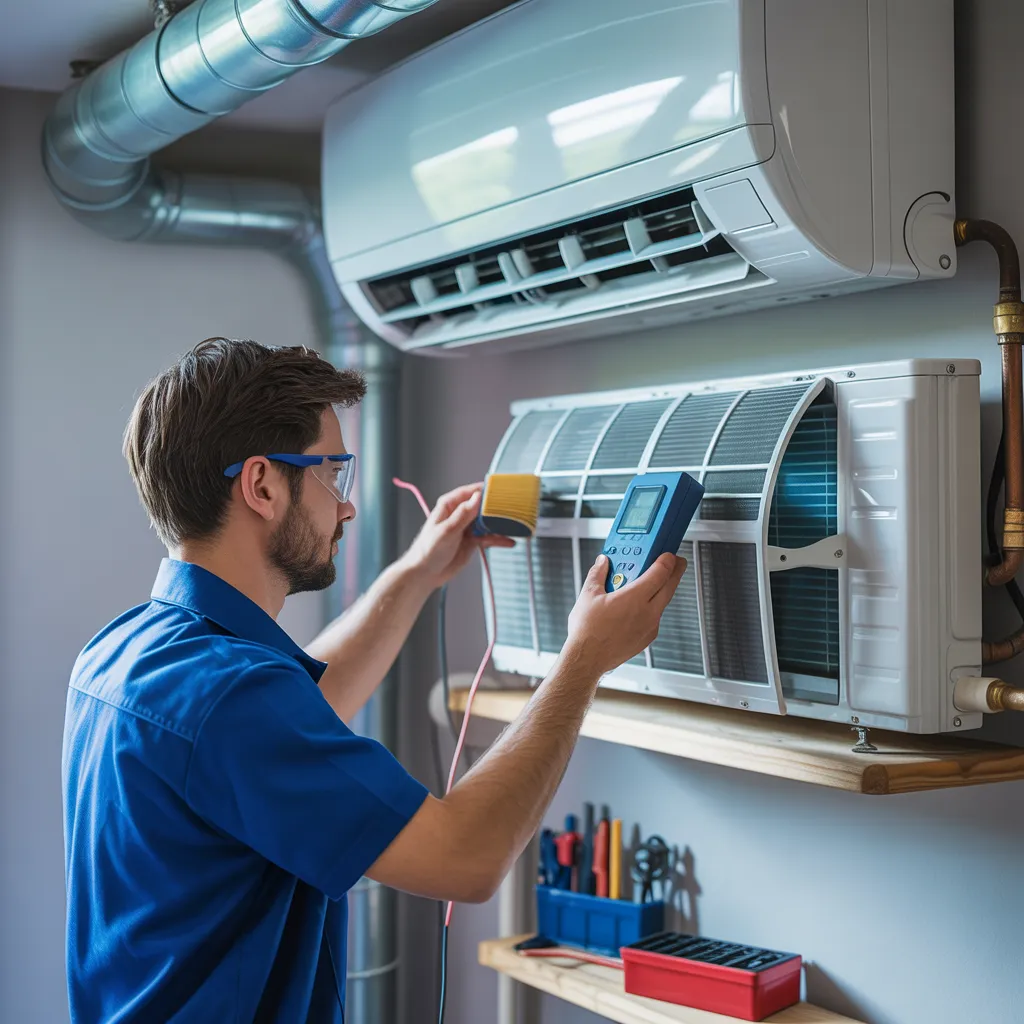
Air Conditioning Options for Every Type of Home
When choosing an AC system, homeowners come across numerous choices tailored to various needs and preferences. Central air conditioning systems are well known for their ability to cool entire homes efficiently, typically making use of ductwork to distribute air. Ductless mini-split units provide flexibility, allowing homeowners to control temperatures in individual rooms without the need for extensive ductwork. Window air conditioners serve as an economical option for keeping smaller areas cool, while portable air conditioners provide mobility and ease of installation. Additionally, geothermal systems utilize the ground's stable temperature to deliver energy-efficient heating and cooling. Each option presents distinct advantages, including varying levels of energy efficiency, installation expenses, and cooling capacities. Understanding these options allows homeowners to make well-informed decisions, making certain their chosen system suits their unique requirements and way of life. At the end of the day, the right air conditioning system plays a significant role in year-round comfortable living conditions.
Why Routine AC Maintenance Is Important
Regular AC maintenance guarantees optimal performance and long-term durability of cooling systems. This regular upkeep is critical for guaranteeing that every component works properly, minimizing excessive deterioration. With routine professional evaluations, homeowners can identify potential issues prior to them becoming major financial burdens. Well-maintained filters and coils enhance ventilation and system performance, which not only enhances comfort but also reduces energy bills.
Moreover, scheduled maintenance works to maintain optimal air quality by limiting dust and allergens spreading throughout the home. Service technicians can also evaluate refrigerant levels and electrical connections, guaranteeing safe system operation. Leading manufacturers advise regular annual servicing to copyright warranty terms, stressing the value of this maintenance habit. In the end, prioritizing regular AC maintenance leads to consistent cooling performance, extended system longevity, and homeowner peace of mind, empowering them to relish a comfortable living space throughout every season.
Diagnosing Frequent Air Conditioning Issues
Troubleshooting common air conditioning problems plays a vital role in preserving top-level efficiency. Numerous homeowners often face issues such as insufficient cooling or unusual noises from their units. Identifying these problems early can prevent more significant repairs and maintain a comfortable living space.
Inadequate Cooling Complications
Insufficient cooling can cause homeowners to feel uneasy and dissatisfied, especially during the scorching summer months. Frequent reasons for inadequate cooling typically involve dirty air filters, which limit air circulation, and blocked vents that prevent conditioned air from circulating effectively. Leaking refrigerant can significantly impact cooling capacity, as insufficient refrigerant diminishes the unit's cooling effectiveness. Furthermore, incorrectly sized systems may have difficulty reaching the desired temperature, leading to uneven cooling throughout the home. Thermostat problems, including improper configurations or faulty equipment, can worsen the situation. Routine upkeep, such as replacing filters and performing system inspections, can help detect these problems sooner, making certain the air conditioning unit functions optimally and sustains a comfortable home environment all year long.
Uncommon Sounds Diagnosis
Pinpointing unusual sounds from an air conditioning unit can be essential for identifying potential problems. Standard audio warning signs feature rattling, which may point to loose components, and hissing, commonly suggesting refrigerant leaks. A harsh noise can imply issues with the motor or bearings, while a high-pitched squeal might indicate a problem with the fan or compressor. In addition, a bubbling sound could suggest refrigerant issues. All noises function as a clue to underlying mechanical failures, prompting timely inspections and repairs. Homeowners should not ignore these auditory warnings; responding promptly can prevent further damage and costly repairs. Consistent maintenance may also prevent these issues, guaranteeing the system runs smoothly and quietly.
Selecting the Right Air Conditioning Service for Your Home
What is the best way to find the top air conditioning provider for their home? Selecting the ideal service depends on several key factors. To begin, potential customers should seek recommendations from trusted friends and family, as personal experiences often yield meaningful insights. Customer reviews and online ratings can also offer a wider view on a service company's trustworthiness and overall customer experience.
Moreover, it is vital to validate the service provider's documentation, including insurance and licenses. This establishes conformity with area-specific regulations and shields property owners from potential risk. Additionally, reviewing the scope of available services can indicate whether the service provider can manage particular requirements, such as new installations or emergency service calls.
Cost quotations should be obtained from several contractors to assess rates objectively. Finally, attentiveness and expertise throughout early communications can indicate the level of customer service you will receive. By thoughtfully weighing these considerations, residents can confidently choose the most suitable AC service for their requirements.
Boosting Your AC's Energy Efficiency
To optimize an AC system's power efficiency, routine maintenance checks are crucial for optimal operation. Moreover, the implementation of a programmable thermostat can substantially cut energy consumption by allowing for more precise temperature control. These strategies not only improve comfort but also lead to significant savings in the long run.
Scheduled Maintenance Reviews
Consistent maintenance checks are vital for boosting an air conditioning system's energy efficiency. These routine inspections help identify potential issues before they escalate, permitting timely fixes and modifications. Throughout a maintenance session, technicians commonly clean or change filters, which optimizes airflow and decreases energy consumption. Additionally, they examine the refrigerant levels and electrical components to guarantee peak performance. Identifying duct leaks can also boost efficiency, because airtight ducts keep conditioned air from escaping. Routine servicing not only lengthens the system's lifespan but also decreases utility bills by ensuring the unit operates at maximum efficiency. Homeowners who prioritize routine maintenance tend to enjoy a more efficient and economical cooling solution across every season.
Smart Thermostat Installation
Installing a smart thermostat can considerably boost an air conditioning system's energy performance. These systems permit homeowners to schedule temperature settings based on their schedules, ensuring that the AC runs only when needed. By recognizing user preferences over time, smart thermostats self-adjust, lowering energy consumption during peak hours. Many models include remote access through smartphones, allowing users to monitor and control their home's climate from any place. This degree of flexibility not only elevates comfort but also leads to significant cost savings on energy bills. Moreover, some smart thermostats generate usage reports, helping homeowners recognize trends and make well-considered modifications. Overall, installing a smart thermostat can be a simple yet effective step toward improving air conditioning performance.
Seasonal Maintenance Tips for Your Air Conditioning System
Preparing an air conditioning system for the next season is essential for guaranteeing peak performance and energy efficiency. Residents should commence by examining the outside unit for material like leaves, dirt, or debris, which can obstruct airflow. Changing or cleaning the filters is another key consideration, as dirty or clogged filters can compromise both efficiency and air quality. Furthermore, verifying the refrigerant levels safeguards against cooling inefficiencies; depleted levels may suggest a leak that demands professional repair.
It is also wise to inspect the thermostat settings to confirm accurate temperature control. Booking a professional maintenance service can greatly boost system performance, permitting technicians to uncover underlying concerns. Finally, homeowners should consider filling any gaps around windows and doors to reduce energy loss. By taking these proactive measures, individuals can guarantee their air conditioning systems operate effectively across the season, delivering comfort within the home.
Air Conditioning Services for Better Indoor Air Quality
The quality of indoor air is crucial for maintaining a healthy living environment, and air conditioning services are fundamental in making this possible. Routine maintenance and servicing of air conditioning systems ensures optimal performance, which has a direct effect on the air quality distributed throughout a residence. Professional technicians regularly clean and change filters, eliminating dust, allergens, and contaminants that tend to build up over time.
Furthermore, cutting-edge AC systems may feature air quality enhancement technologies, such as UV light systems and HEPA filters, which greatly improve indoor air quality. These features work to remove airborne contaminants, delivering purer, fresher air.
Moreover, routine inspections can uncover potential concerns, halting the formation of mold and bacteria throughout the system. All things considered, investing in air conditioning services not only promotes comfort but also fosters a healthier home environment, significantly benefiting overall well-being.
Popular Questions We Receive
How Frequently Should I Change My Air Conditioner Filter?
Air conditioner filters generally need to be changed every one to three months, based on usage frequency and filter type. Consistent replacements increase efficiency, upgrade air quality, and lengthen the lifespan of the air conditioning system.
Can I Set Up an AC Unit by Myself?
Setting up an AC unit by yourself is feasible for those with sufficient skills and knowledge. However, it often requires careful evaluation of local building codes, proper tools, and awareness of electrical and refrigerant systems to secure efficiency and safety.
What Is the Average Lifespan of an Air Conditioning System?
The average lifespan of an air conditioning system generally falls between 15 and 20 years. Key factors influencing durability encompass maintenance habits, frequency of use, and the standard of the original installation, impacting overall performance and efficiency.
Are Government Rebates Available for Energy-Efficient AC Units?
Yes, various governing bodies make available financial incentives for energy-efficient cooling systems. These programs seek to encourage eco-conscious alternatives, reducing energy usage and advancing sustainability, delivering benefits to both the planet and its inhabitants through economic backing.
How Can I Tell if My AC Is Too Large or Too Small?
To determine if an air conditioner is appropriately sized, you should examine cooling effectiveness, review this content track temperature changes, measure humidity levels, and monitor energy usage. An oversized unit reaches the desired temperature too fast, while an insufficiently sized unit has difficulty.